Request a Review in the Security Issues Section in Search Console
Social engineering science is content that tricks visitors into doing something dangerous, such as revealing confidential data or downloading software. If Google detects that your website contains social engineering content, the Chrome browser may display a "Deceptive site ahead" warning when visitors view your site. Y'all tin can cheque if any pages on your site are suspected of containing social engineering attacks by visiting the Security Issues report.
Open the Security Bug Report
A social applied science attack is when a web user is tricked into doing something dangerous online.
There are different types of social engineering attacks:
- Phishing: The site tricks users into revealing their personal information (for example, passwords, telephone numbers, or credit cards). In this case, the content pretends to act, or looks and feels, like a trusted entity — for example, a browser, operating system, bank, or government.
- Deceptive content: The content tries to trick you into doing something you'd just do for a trusted entity — for example, sharing a password, calling tech support, downloading software, or the content contains an ad that falsely claims that device software is out-of-appointment, prompting users into installing unwanted software.
- Insufficiently labeled third-political party services: A third-party service is someone that operates a site or service on behalf of another entity. If you (third party) operate a site on behalf of some other (first) party without making the relationship clear, that might be flagged every bit social engineering. For example, if you (first party) run a charity website that uses a donation management website (third party) to handle collections for your site, the donation site must conspicuously identify that it is a third-political party platform acting on behalf of that clemency site, or else information technology could be considered social engineering.
Google Safe Browsing protects spider web users by warning users earlier they visit pages that consistently engage in social engineering.
Web pages are considered social applied science when they either:
- Pretend to act, or look and feel, like a trusted entity, similar your own device or browser, or the website itself, or
- Try to trick you into doing something you'd only do for a trusted entity, like sharing a password, or calling a tech support number, or downloading software.
Social engineering in embedded content
Social engineering can also show up in content that is embedded in otherwise benign websites, unremarkably in ads. Embedded social technology content is a policy violation for the host page.
Sometimes embedded social engineering content volition be visible to users on the host page, every bit shown in the examples. In other cases, the host site does not comprise any visible ads, but leads users to social engineering pages via popular-ups, pop-unders, or other types of redirection. In both cases, this blazon of embedded social engineering content will result in a policy violation for the host page.
Just I don't engage in social applied science!
Deceptive social engineering content may be included via resources embedded in the page, such as images, other third-party components, or ads. Such deceptive content may play tricks site visitors into downloading unwanted software.
Additionally, hackers can have control of innocent sites and use them to host or distribute social engineering content. The hacker could change the content of the site or add together additional pages to the site, often with the intent of tricking visitors into parting with personal information such every bit credit card numbers. You lot can find out if your site has been identified equally a site that hosts or distributes social engineering content by checking the Security Problems report in Search Console.
See our Assist for Hacked Sites if y'all believe that your site has been hacked.
Examples of social engineering violations
Deceptive content examples
Here are some examples of pages that engage in social engineering practices:
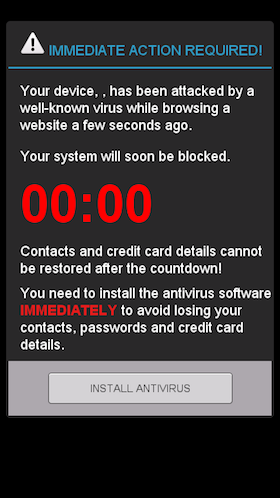
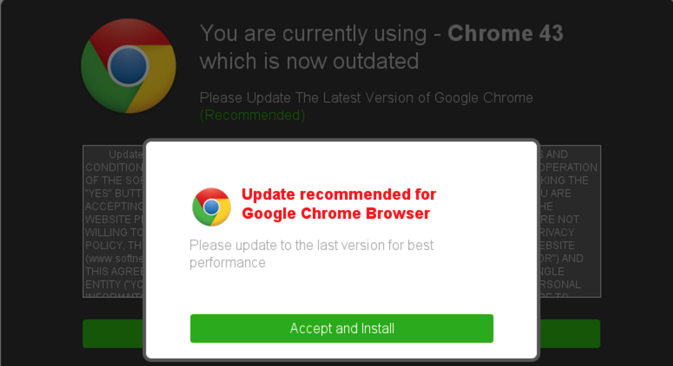
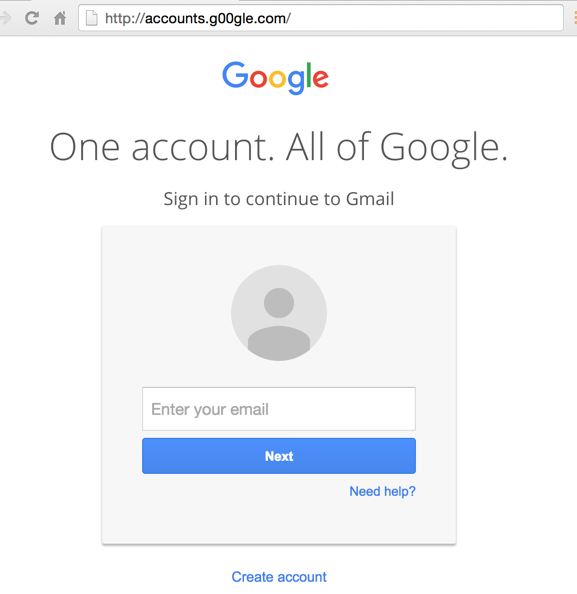
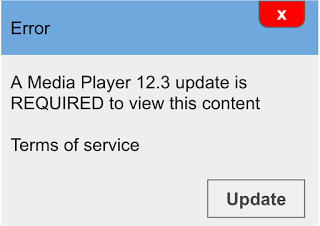
Here are some examples of deceptive content inside embedded ads. These ads appear to be office of the folio interface rather than ads.


Fixing the problem
If your site is flagged for containing social engineering science (deceptive content), ensure that your folio doesn't engage in whatever of the practices, and and so follow these steps:
- Check in with Search Console.
- Verify that you own your site in Search Console and that no new, suspicious owners accept been added.
- Bank check the Security Problems report to encounter if your site is listed as containing deceptive content (the reporting term for social technology). Visit some sample flagged URLs listed in the report, merely utilize a calculator that's not inside the network that is serving your website (clever hackers tin disable their attacks if they think the company is a website owner).
- Remove deceptive content. Ensure that none of your site's pages contain deceptive content. If y'all believe Rubber Browsing has classified a web page in error, report it.
- Check the third-party resources included in your site. Ensure that any ads, images, or other embedded third-political party resources on your site'south pages are not deceptive.
- Note that ad networks may rotate the ads shown on your site's pages. Therefore, you might need to refresh a folio a few times before you're able to see any social engineering science ads appear.
- Some ads may appear differently on mobile devices and desktop computers. You can apply the URL Inspection tool to view your site in both mobile and desktop views.
- Follow the 3rd-party service guidelines for whatever 3rd-party services, such as payment services, that you employ in your site.
- Request a review. After y'all remove all social engineering content from your site, you tin request a security review in the Security Issues report. A review can take several days to complete.
3rd-party service guidelines
If yous include a third-party service in your site, we recommend that you lot meet the following conditions in society to avert being labeled as social engineering:
- On every page, the third-party site clearly includes the third-party brand in a style that ensures users sympathise who is operating the site. For example, by including the tertiary-party make at the top of the page.
- On every folio that contains first-party branding, explicitly state the human relationship between the first and 3rd party, and provide a link for more information. For case, a statement like this:
This service is hosted by Example.com on behalf of Example.charities.com. More than information.
A good usability guideline is whether a user viewing the page in isolation understands which site they are on, and the relationship between the outset and third party at all times.
Source: https://developers.google.com/search/docs/advanced/security/social-engineering
0 Response to "Request a Review in the Security Issues Section in Search Console"
Post a Comment